
Your Essential Guide to Sprinkler Winterization in Denver
As the vibrant greens of summer give way to the golden hues of autumn along the Front Range, it’s a sure sign that colder weather is on its way. For Denver homeowners, this seasonal shift means it's time to prepare your landscape for the freezing temperatures ahead. One of the most critical tasks on that list is winterizing your sprinkler system. Ignoring this essential step can lead to costly and frustrating damage come springtime. At PG Landscaping and Fence Company, we understand the unique challenges of our high desert climate and want to help you protect your investment. This guide will walk you through why sprinkler winterization is so important and what the process involves.
Why Winterization is Non-Negotiable in Colorado
In a climate like ours, where a sunny 60-degree day can be followed by a night of plunging temperatures, water left in your irrigation lines is a significant risk. When water freezes, it expands by about 9% with incredible force. This expansion is powerful enough to crack PVC pipes buried underground, shatter sprinkler heads, and destroy expensive valves and backflow preventers.
Come spring, when you turn your system back on, you could be facing:
- Underground Leaks: Hidden leaks can waste thousands of gallons of water, leading to sky-high water bills and soggy, unstable ground in your yard.
- Broken Components: Replacing multiple sprinkler heads, manifolds, or a cracked backflow preventer can quickly become an expensive and time-consuming repair job.
- Delayed Spring Startup: Discovering damage in April or May means dealing with repairs right when you want your lawn to start looking its best. This can be a major headache, especially when landscaping professionals are in their busiest season.
Properly winterizing your system isn't just a maintenance task; it's an insurance policy against the unpredictable Colorado winter, ensuring your landscape is ready to thrive when the snow melts.
The Professional Sprinkler Blowout: How It Works
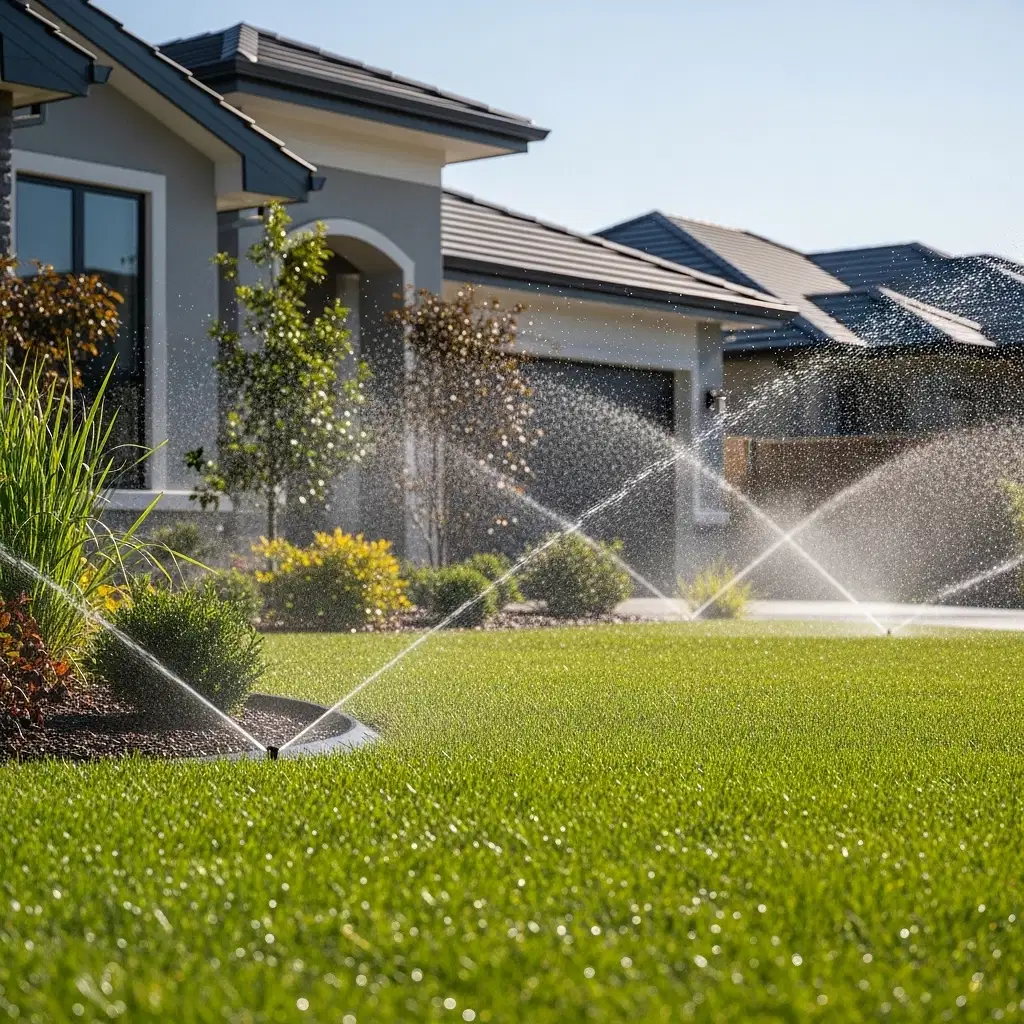
The most effective method for winterizing an irrigation system is a “blowout.” This process uses a high-volume air compressor to push every last drop of water out of the pipes, valves, and sprinkler heads. While it might sound straightforward, it’s a task that requires precision and the right equipment.
Here’s what a professional blowout from a trusted team involves:
- Shutting Off the Water: First, the main water supply to the irrigation system is turned off completely.
- Connecting the Compressor: A large air compressor is connected to the system, typically at the backflow preventer or a specific blowout port.
- Pressurizing Zone by Zone: The system is activated one zone at a time, and compressed air (at a safe, regulated pressure) is forced through the lines. You’ll see the sprinkler heads pop up and spit out the remaining water, followed by a mist of air.
- Systematic Clearing: This process is repeated for every single zone until the entire system is clear of water.
Attempting a DIY blowout with a small, personal garage compressor is risky. These units often lack the necessary volume of air (CFM) to push all the water out and can be difficult to regulate, potentially delivering too much pressure (PSI) and damaging the very system you’re trying to protect. Investing in a professional sprinkler winterization service ensures the job is done safely and thoroughly.
Don't Forget Your Drip Systems and Hoses
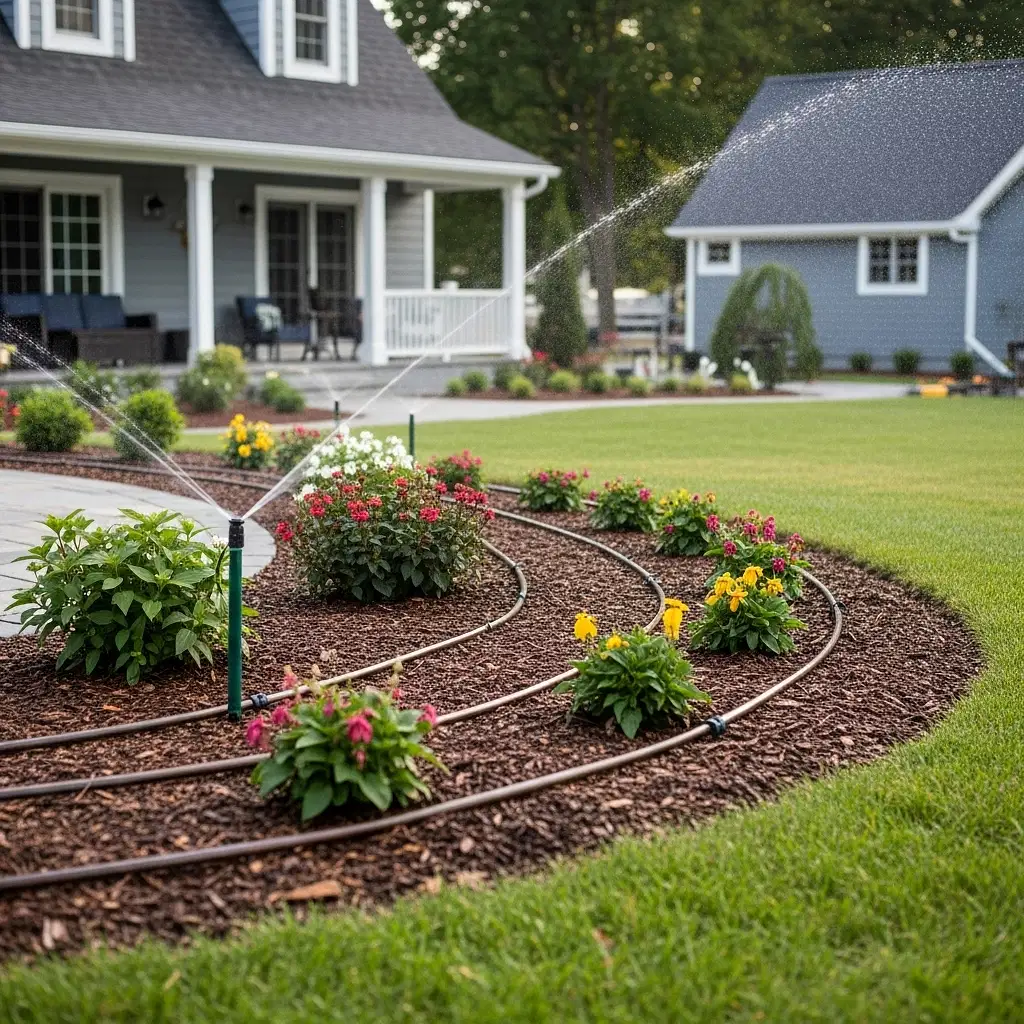
Many modern landscapes, especially those featuring water-wise xeriscaping and native plants, rely on drip irrigation. These systems also need to be winterized to prevent damage to the delicate tubing and emitters. While they don't hold as much water as traditional sprinkler lines, the water they do hold can freeze, causing plastic components to crack and become brittle.
Winterizing a drip system typically involves shutting off its water source, draining any filters, and ensuring the main lines are clear. It’s a crucial step in maintaining the health of your garden beds and conserving water effectively. If your property includes a drip irrigation system, make sure it's part of your fall preparation plan.
On a simpler note, don't forget to disconnect, drain, and store all your garden hoses. Leaving a hose connected can trap water in the spigot, which can freeze and crack the pipe inside your home's wall—a truly disastrous and expensive repair.
When to Schedule Your Sprinkler Winterization
Timing is everything. You want to winterize your system after you’re done watering for the season but before the first hard freeze, where temperatures dip below 32°F for several hours. In the Denver area, this window is typically in late September through October.
However, don't wait until the first frost is in the forecast. Landscaping professionals get extremely busy during this period, and schedules fill up fast. We recommend booking your winterization service by early October to ensure you get a spot. Being proactive gives you peace of mind that your system is protected well before the first serious cold snap arrives.
Protect Your Landscape This Winter
Properly preparing your irrigation system for winter is one of an essential investments you can make in the long-term health and beauty of your property. It prevents costly repairs, conserves water by avoiding spring leaks, and ensures your landscape is ready for a great start next year.
Don't leave it to chance. The team at PG Landscaping and Fence Company has the expertise and professional equipment to handle all your irrigation needs, from winterization to spring start-up and complete landscaping projects. Let us help you protect your system so you can rest easy this winter.
Ready to get your sprinkler system winter-ready? Contact us today to schedule your service and ensure your Denver-area home is prepared for the season.