
Your Essential Guide to Preparing Your Denver Landscape for a High Country Winter
As the golden aspens fade and a crisp chill fills the air, we all know what’s coming to the Front Range: a beautiful, but often harsh, Colorado winter. While we’re pulling out our skis and snow boots, our landscapes are bracing for freezing temperatures, heavy snow, and dry winds. Properly preparing your yard in the fall is one of the most important investments you can make, preventing costly damage and ensuring a vibrant, healthy return in the spring. This guide will walk you through the essential steps to protect your plants, irrigation systems, and hardscapes from the challenges of a Mile High City winter.
The #1 Priority: Professional Sprinkler Winterization
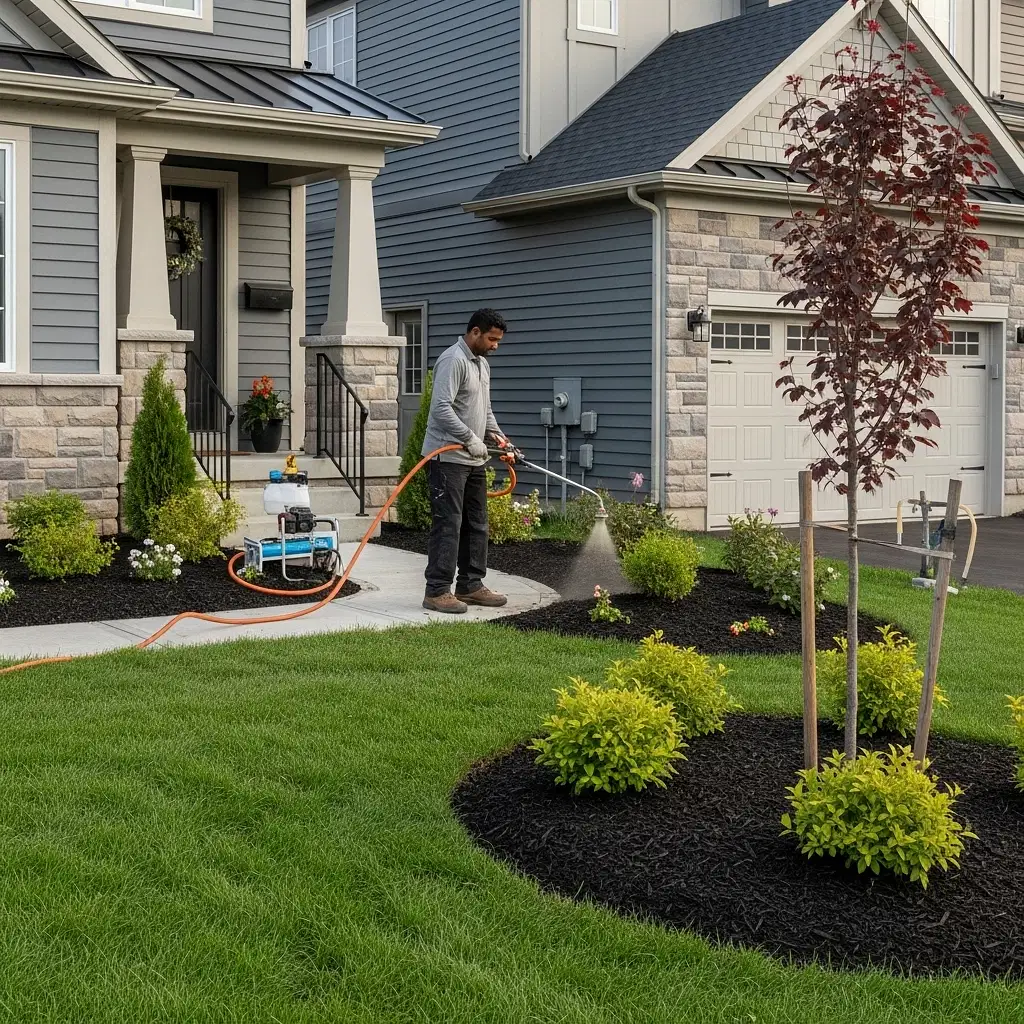
If you do only one thing to prepare your landscape for winter, this should be it. Water left in your irrigation pipes will freeze, expand, and can lead to burst pipes, cracked sprinkler heads, and damaged valves. These repairs can be incredibly expensive and disruptive come springtime. A professional sprinkler blowout is the only way to ensure every drop of water is forced out of the system with compressed air.
This isn't just a simple draining process. A proper blowout requires specific equipment and knowledge to avoid damaging the system. It involves shutting off the water supply, attaching a commercial-grade air compressor, and methodically pushing air through each zone until only a fine mist emerges. Skipping this step is a gamble against our unpredictable freeze-thaw cycles, and it’s a risk that rarely pays off. Protecting your irrigation system is the cornerstone of a successful winterization plan.
Protecting Your Green Investments: Plants, Trees, and Lawns
Your plants are dormant, not dead, and they still need protection to survive the winter and thrive in the spring. Taking a few key steps can make all the difference.
- Apply a Layer of Mulch: A fresh 2-3 inch layer of mulch around the base of your perennials, shrubs, and young trees acts like a winter blanket. It insulates the roots from extreme temperature fluctuations, retains moisture from melting snow, and suppresses early spring weeds.
- Prune with Purpose: Late fall is the perfect time to prune dead or weak branches from trees. Heavy, wet snow can accumulate on branches, and removing the weak points now prevents them from breaking and causing damage to the tree or your property. However, avoid major pruning on most shrubs until late winter or early spring.
- Wrap Delicate Plants: Younger trees with thin bark and certain delicate shrubs (like some roses or hydrangeas) can benefit from being wrapped in burlap. This protects them from sunscald—damage that occurs when the winter sun warms the bark during the day, followed by a hard freeze at night—and provides a barrier against drying winds.
- Aerate and Fertilize Your Lawn: Your lawn’s roots are still active in the fall. Aerating helps reduce soil compaction, allowing water and nutrients to reach the root system. A final application of a slow-release, winterizer fertilizer provides the essential nutrients your grass needs to store energy for a strong green-up next spring.
Don't Overlook Fences and Hardscapes
Your yard’s structural elements also face challenges from winter weather. A quick inspection now can prevent bigger headaches later.
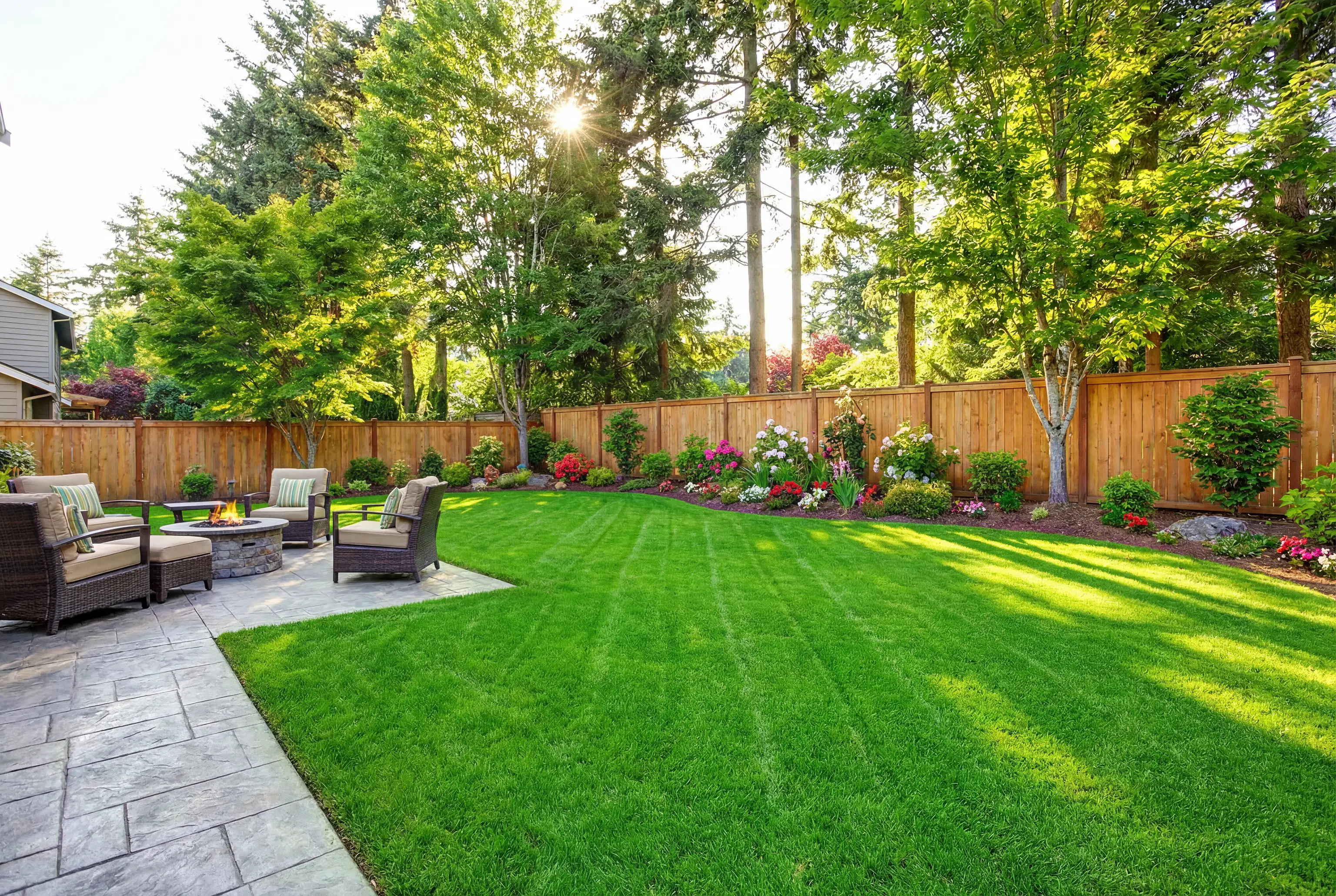
For homeowners with a wood fence, it's crucial to check for any loose posts or damaged panels. The weight of drifting or sliding snow can put significant stress on a fence. Ensuring it's stable and secure before the first major snowfall can prevent leaning posts or total failure. It's also a good time to ensure your gate hardware is functioning properly, as frozen ground can cause shifting that makes gates difficult to operate.
Take a look at your patios and pathways as well. Ensure water is draining away from your home's foundation and that there are no low spots where water can pool, freeze, and create hazardous ice patches or damage the paver or concrete surface over time. A well-planned landscape considers year-round function, including winter drainage.
Prepare for a Healthy and Vibrant Spring
Taking the time to prepare your landscape for a High Country winter is about more than just fall cleanup; it's about protecting the investment you've made in your property. From a critical sprinkler blowout to caring for your plants and securing your fences, these steps ensure that when the snow finally melts, your outdoor space emerges healthy, beautiful, and ready for another season of enjoyment.
Don't leave it to chance. The team at PG Landscaping and Fence Company has the local expertise to handle every aspect of your fall preparation. Contact us today to schedule your comprehensive landscape and irrigation winterization services in the Denver area and rest easy knowing your yard is protected.