
Step Up Your Garden Game: Designing Beautiful Walkways with Stepping Stones and Native Plants
A garden is a journey, not just a destination. The way you move through your outdoor space—from the patio to a quiet seating area, or from the back door to the vegetable patch—can dramatically change how you experience it. Too often, these routes are an afterthought, resulting in worn-out grass or muddy tracks. But what if your garden paths were as beautiful and intentional as your flowerbeds? For homeowners in the Denver area, creating a functional and stunning walkway is easier than you think.
By thoughtfully combining natural stepping stones with hardy Colorado native plants, you can create a pathway that is not only practical but also enhances your landscape's beauty and sustainability. This approach creates a durable, low-maintenance solution that thrives in our unique Front Range climate, adding value and charm to your property.
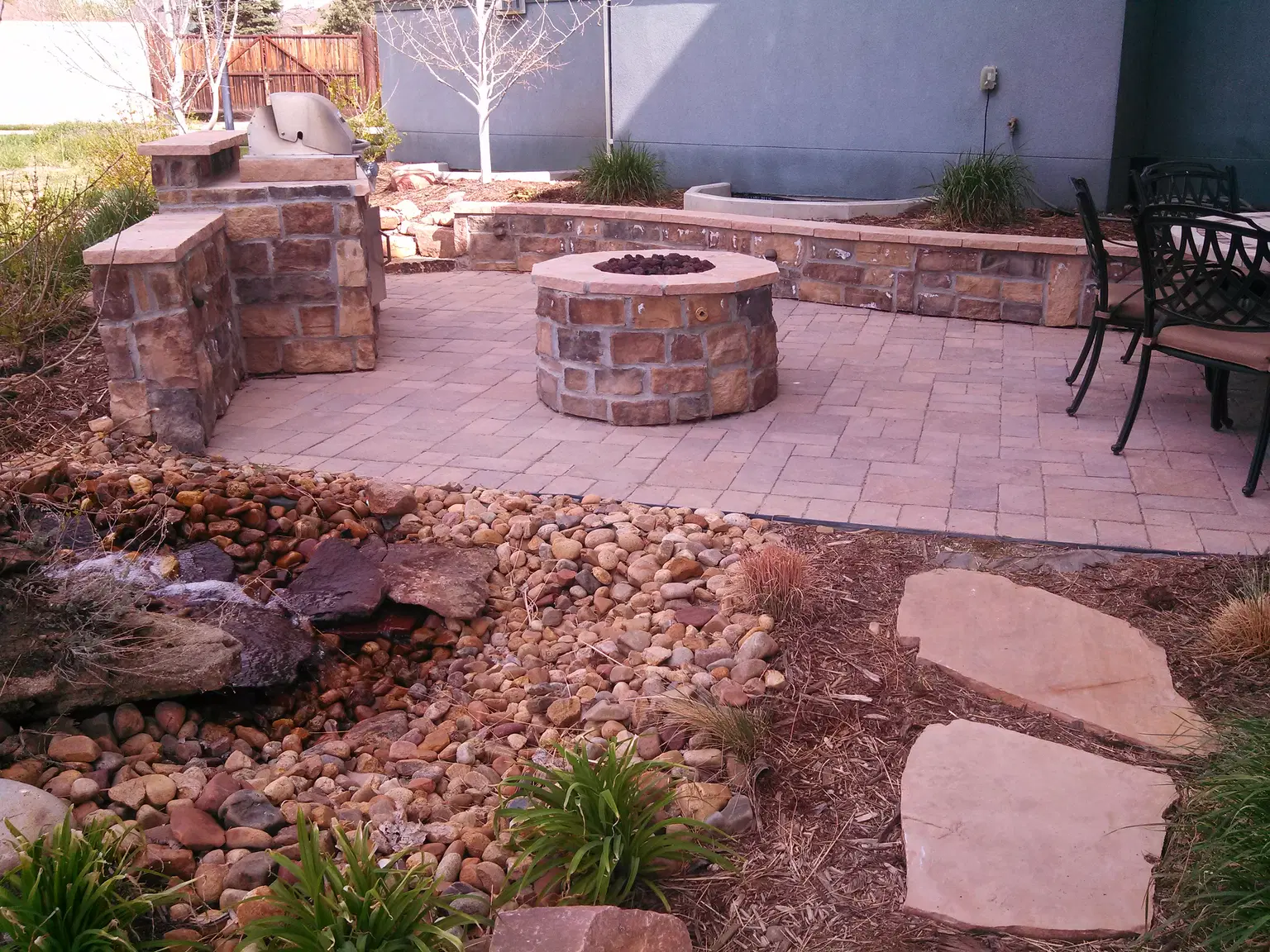
Why Stepping Stones are a Perfect Choice for Colorado Gardens
Solid concrete or asphalt paths can feel harsh and unforgiving in a natural garden setting. They also create large, impermeable surfaces that contribute to water runoff. Stepping stones, on the other hand, offer a perfect blend of structure and softness, making them an ideal choice for our local environment.
- Durability and Function: Natural stone, like flagstone, is incredibly resilient. It stands up to our intense sun, heavy snow, and freeze-thaw cycles without cracking or degrading. A well-installed stone path provides a stable, clean surface to walk on year-round, protecting your lawn and preventing soil compaction.
- Aesthetic Versatility: The beauty of natural stone is its variety. From the warm, earthy tones of Colorado buff sandstone to the cool, elegant shades of slate, there's a stone to complement any home's architecture and garden style. Whether you envision a rustic, meandering trail or a clean, modern walkway, the right stone can define the character of your landscape design.
- Water-Wise and Eco-Friendly: Unlike solid pavement, the gaps between stepping stones allow rainwater and irrigation to soak into the ground where it's needed most. This permeability reduces runoff, helps recharge groundwater, and supports the health of surrounding plants. It's a simple but effective element of a water-conscious xeriscape design.
The Secret to a Low-Maintenance Path: Pairing Stones with Native Plants
A stepping stone path truly comes to life when integrated with plants. Planting low-growing, drought-tolerant groundcovers in the gaps between stones softens the hardscape, suppresses weeds, and creates a beautiful living tapestry. Using Colorado native plants is the key to ensuring this feature is as low-maintenance as it is attractive.
Native plants are already adapted to our clay soils, fluctuating temperatures, and semi-arid climate. Once established, they require minimal water and care, all while providing crucial habitat for local pollinators. Here are a few excellent choices for planting between your stepping stones:
- Creeping Thyme (Thymus serpyllum): This popular choice is incredibly tough and can handle light foot traffic. It forms a dense, fragrant mat and produces tiny pink or purple flowers in the summer. It's highly drought-tolerant and loves full sun.
- Rocky Mountain Zinnia (Zinnia grandiflora): A true Colorado native, this hardy perennial forms a low-growing mat with cheerful yellow flowers that bloom all summer long. It thrives in heat and dry conditions.
- Winecups (Callirhoe involucrata): For a splash of vibrant color, Winecups are an excellent choice. This sprawling native produces stunning magenta, cup-shaped flowers and is exceptionally drought-tolerant.
By choosing the right plants, you create a dynamic, self-sustaining walkway that adds color, texture, and ecological value to your garden.
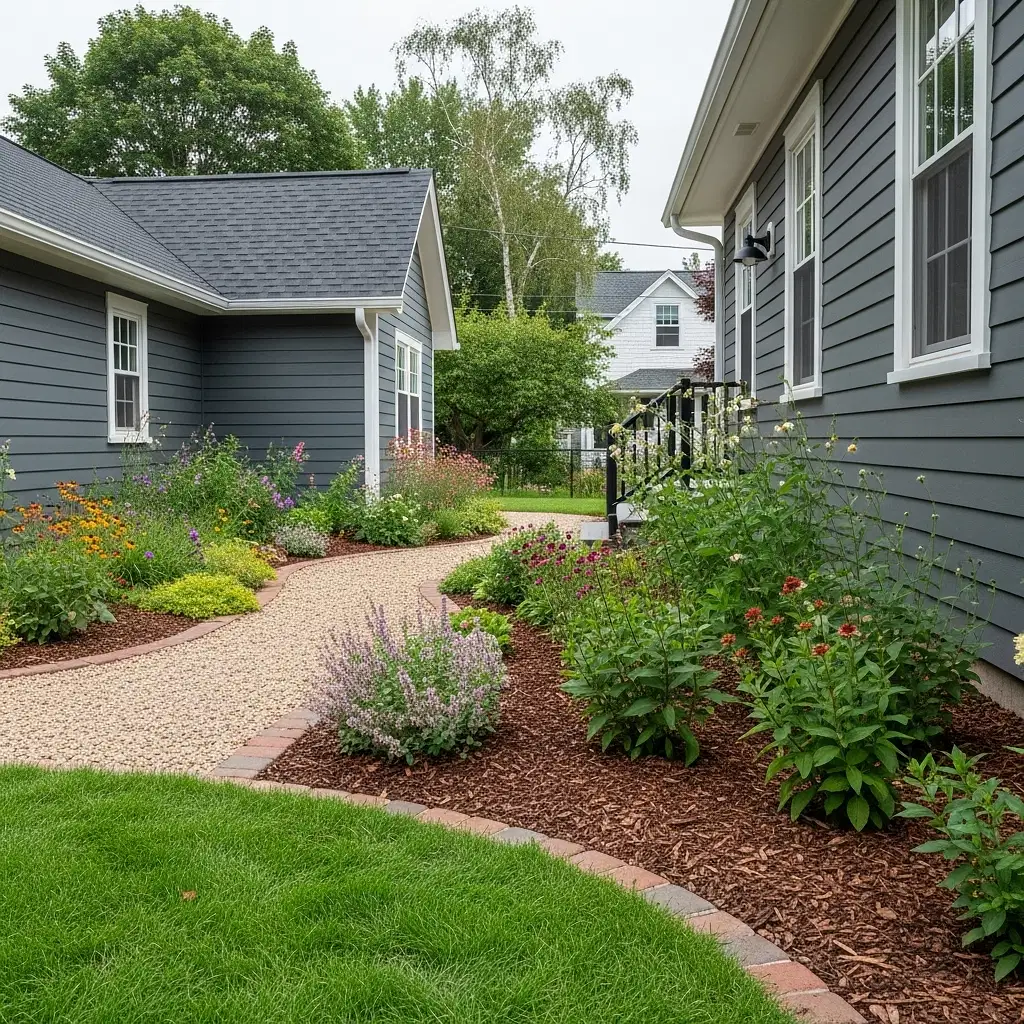
Design and Installation: Creating a Path That Lasts
While the concept is simple, the long-term success of a stepping stone walkway depends on thoughtful design and professional installation. A poorly laid path can become uneven, wobbly, and a tripping hazard over time.
First, we consider the path's purpose and flow. A direct route to a utility area should be straight and practical, while a path through a garden might feature gentle curves to create a sense of discovery and encourage a slower pace. The spacing of the stones is also critical—they should be set to a comfortable, natural stride to make walking easy and safe.
Proper site preparation is the most important step. In our region, this means excavating the soil and laying a compacted base of gravel and sand. This foundation provides drainage and prevents the stones from shifting or heaving during Colorado's freeze-thaw cycles. Each stone must be set level and flush with the surrounding grade to ensure stability and prevent it from becoming a hazard.
This professional approach ensures your investment not only looks beautiful on day one but remains a safe and durable feature of your landscaping for years to come.
Let's Pave the Way to a More Beautiful Garden
A well-designed walkway does more than just get you from one place to another; it guides the eye, adds structure, and transforms your yard into a cohesive and inviting outdoor living space. By combining the timeless appeal of natural stone with the sustainable beauty of Colorado native plants, you can create a feature that is both practical and enchanting.
If you're ready to enhance your property with a beautiful and lasting walkway, the team at PG Landscaping and Fence Company is here to help. We specialize in creating custom patios and pathways that perfectly suit your home and lifestyle. Contact us today for a consultation and let's design the perfect path for your Denver garden.