
Fall Native Planting Guide for Colorado Landscapes
When the crisp autumn air arrives in the Mile High City, many homeowners assume the gardening season is officially over. However, experienced horticulturists know a secret: autumn is actually one of the most strategic times of the year for establishing new plants. If you have been dreaming of transforming a water-thirsty yard into a stunning, low-maintenance outdoor living space, this season provides the perfect window of opportunity.
Colorado's unpredictable weather, which often brings late spring snowstorms and early winter freezes, can make scheduling yard projects feel like a race against the clock. By shifting your focus to autumn, you take advantage of a natural sweet spot in the climate. The soil is still warm from the summer sun, but the ambient air temperatures are significantly cooler. This unique combination creates an ideal environment for drought-tolerant shrubs, trees, and perennials to establish robust root systems without battling the intense heat and dry winds of July and August.
At PG Landscaping and Fence Company, we understand the specific environmental challenges and incredible opportunities that come with living in our beautiful state. Whether you are looking to lower your water bill, comply with new municipal watering restrictions, or simply create a beautiful yard that practically takes care of itself, understanding the rhythm of our local seasons is the first step. Let us explore exactly why this time of year is so beneficial, which flora will thrive in your yard, and how to properly prepare your soil for long-term success.
The Advantages of Late Season Planting
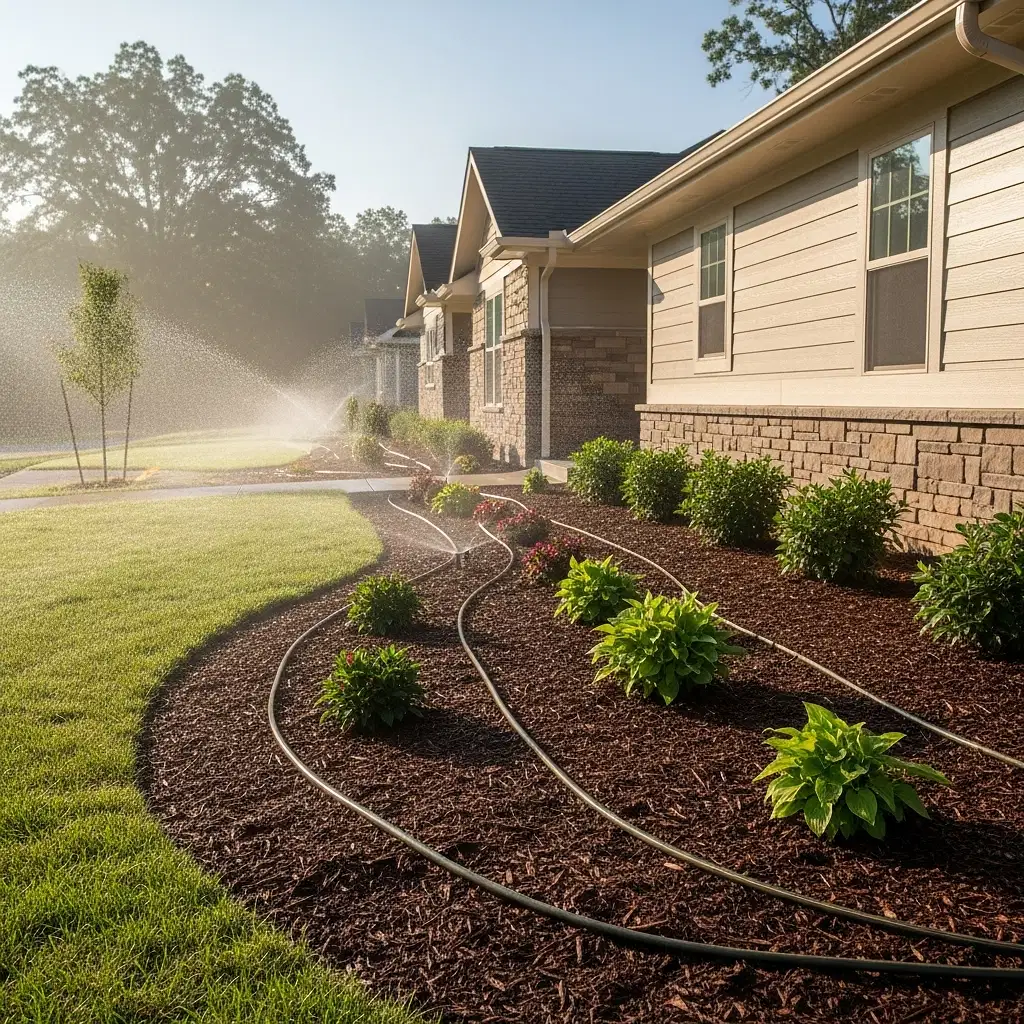
One of the most common questions we hear is regarding the best time of year to plant trees and shrubs in our semi-arid climate. While spring is traditionally associated with blooming gardens, the fall planting advantages for native shrubs and drought-tolerant species are unmatched.
When you place a new plant in the ground during the spring, it immediately directs its energy toward producing leaves and flowers to capture sunlight. It does this while simultaneously trying to survive the rapidly approaching summer heat. This dual demand can severely stress new additions to your yard, often requiring excessive watering just to keep them alive.
Conversely, when you plant in September or October, the life cycle of the plant is naturally slowing down above ground. The foliage is going dormant, which means the plant can direct 100 percent of its energy downward into root development. Because the soil retains heat much longer than the air, these roots continue to grow and spread well into late November. By the time the ground finally freezes, your new additions will have established a deep, sturdy foundation. When spring arrives, they will wake up ready to thrive, requiring a fraction of the water and maintenance of spring-planted counterparts.
This method is a core component of successful xeriscaping. By working with the natural life cycle of the ecosystem, you ensure your investment survives its critical first year. If you are considering a full yard transformation, incorporating these timing strategies into your professional landscaping plan is a guaranteed way to maximize the health and longevity of your outdoor space.
Selecting the Best Native Plants for the Front Range
Choosing the right vegetation is crucial when planning a successful water-wise garden. The shift toward sustainable outdoor living spaces isn't just a passing trend; it is a vital response to regional water conservation mandates and municipal drought restrictions. Fortunately, transitioning away from traditional, water-heavy grass lawns doesn't mean you have to settle for a barren yard filled only with gravel and cacti.
Native plants have evolved over thousands of years to thrive perfectly in our specific climate, soils, and elevations. They naturally resist local pests, tolerate the intense high-altitude ultraviolet light, and can survive our notoriously fluctuating precipitation levels.
For vibrant autumn color and incredible resilience, consider adding species like the Rocky Mountain Penstemon, which offers beautiful blooms and handles dry conditions flawlessly. Rubber Rabbitbrush is an excellent late-season bloomer that provides a burst of golden yellow just as other plants are fading. For ground cover and texture, Blue Grama grass is a fantastic, drought-tolerant alternative to traditional turf that requires virtually no supplemental watering once established.
Incorporating these indigenous species into your yard significantly reduces your reliance on complex irrigation systems and helps lower your monthly utility bills. Many municipalities even offer substantial rebates for homeowners who convert traditional grass lawns into eco-friendly, low-water gardens. Taking advantage of these programs not only helps the environment but also provides significant long-term value to your property.
Amending Heavy Clay Soil for Root Establishment
Even with the perfect timing and the most resilient plant choices, your yard's success ultimately depends on what lies beneath the surface. One of the greatest challenges homeowners face locally is the notoriously dense, heavy clay soil that dominates much of the region.
Clay soil is composed of microscopic particles packed tightly together. While it is incredibly rich in nutrients, its dense structure leaves virtually no room for oxygen and makes it exceptionally difficult for water to drain. When it rains, water pools on the surface, and when it dries, the ground hardens like concrete. This environment suffocates tender new roots and leads to rot.
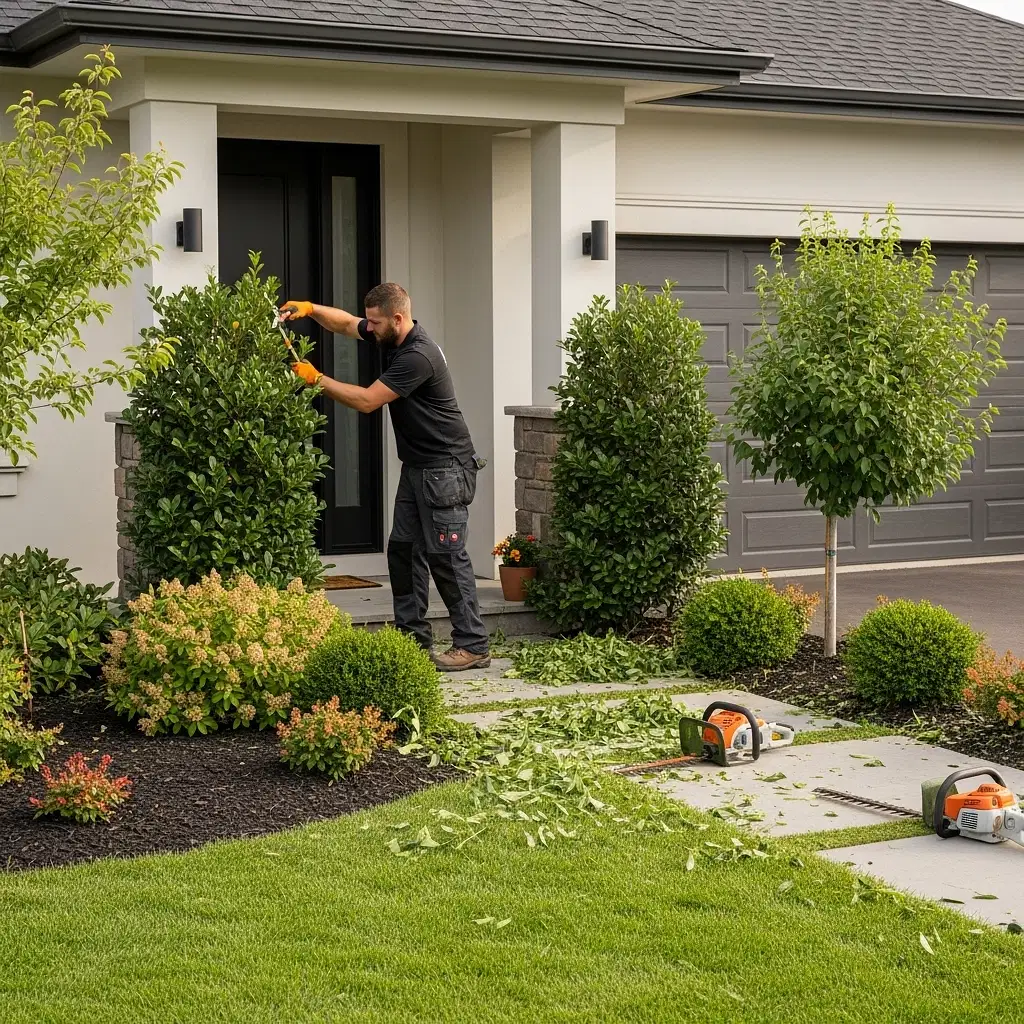
Amending heavy clay soil for root establishment is a critical step in our process. We cannot simply dig a hole and drop a plant into it. Instead, the ground must be thoroughly aerated and heavily amended with organic matter, such as high-quality compost or aged manure. This organic material breaks up the dense clay particles, creating vital air pockets and improving drainage while still allowing the soil to retain enough moisture to sustain drought-tolerant plants.
Proper soil preparation requires heavy labor and a deep understanding of horticulture, which is why tackling it as a DIY project often leads to frustration and dead plants. By investing in proper soil health from day one, you build a resilient foundation that will support a lush, vibrant yard for decades to come.
Designing Your Water-Wise Oasis and Navigating HOA Rules
Transitioning to a native, water-wise yard involves more than just selecting flora and amending soil; it requires a cohesive vision. Homeowners today are looking for functional, multi-season outdoor living spaces that act as an extension of their home. This might include integrating natural stone stepping stones, creating a cozy seating area, or planning pathways that weave naturally through your new drought-tolerant garden.
However, a common hurdle for many homeowners in suburban neighborhoods is navigating Homeowner Association (HOA) guidelines. Strict community rules often dictate what percentage of your yard must remain grass, what types of vegetation are allowed, and what aesthetic standards must be met. Fortunately, recent state laws have made it easier for homeowners to implement water-conscious designs, but submitting a compliant, professional plan to your HOA architectural committee is still required.
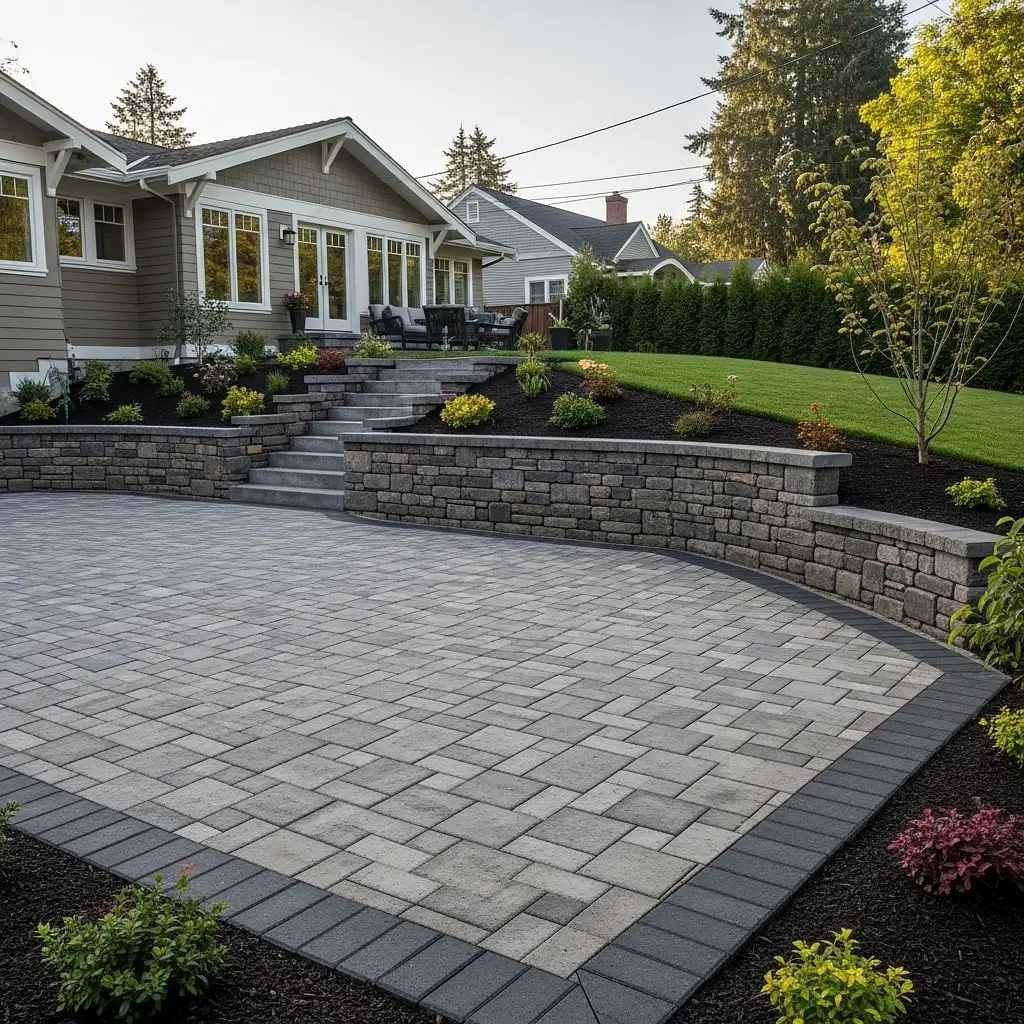
This is where comprehensive landscape design becomes invaluable. At PG Landscaping and Fence Company, we pride ourselves on being a true full-service provider. We handle everything from the initial creative concept to the final, meticulous execution. Our designs beautifully balance your personal style with local environmental needs while ensuring full compliance with your neighborhood regulations. We seamlessly integrate softscaping with hardscaping elements, ensuring that your new outdoor space is as functional as it is breathtaking.
Ready to Transform Your Yard This Fall?
Creating a stunning, sustainable outdoor space doesn't have to be a stressful endeavor. By utilizing the cooler autumn months to establish resilient native plants, properly amending your soil, and relying on professional expertise to guide the design process, you can achieve a gorgeous yard that thrives year-round with minimal effort.
As a locally owned and operated business in the Denver metro area, PG Landscaping and Fence Company is built on three core values: Family First, Customer Service, and Value for Money. We believe your backyard should be a safe, beautiful sanctuary where your family can relax and create memories, not a source of constant weekend chores and high water bills.
Whether you need a complete water-wise yard transformation, a new custom fence for added privacy, or expert guidance on navigating your next outdoor project, our team is here to handle every detail from start to finish. Don't wait for the spring rush to start planning your dream yard. Contact PG Landscaping and Fence Company today to schedule your consultation and discover the incredible potential of autumn planting.