
A Homeowner's Guide to Fire-Resistant Landscaping for Front Range Homes
Living along the beautiful Front Range is a privilege. The stunning views and easy access to the outdoors are unparalleled. However, that beauty comes with a responsibility to be mindful of wildfire risk. While we can't control nature, we can take proactive steps to protect our homes and property. One of the most effective strategies is creating a fire-resistant landscape—a thoughtful approach to design that reduces fire hazards without sacrificing beauty. For homeowners in the Denver area and the surrounding foothills, a firewise landscape provides peace of mind and enhances your property's natural resilience. This guide will walk you through the key principles of designing a safer, smarter, and still-stunning outdoor space.
The Foundation of Safety: Creating Defensible Space
The single most important concept in firewise landscaping is defensible space. This is the managed area between your home and the surrounding vegetation that is strategically designed to slow or stop the spread of wildfire. It creates a buffer zone that gives firefighters a safer area to defend your home. Experts typically break this down into three zones, each with specific goals.
Zone 1: The Immediate Zone (0-5 feet from your home) This is the most critical area. The goal here is to create a non-combustible environment.
- Use Hardscaping: Replace flammable mulch with gravel, decorative rock, or concrete pavers, especially right up against your foundation. This creates a fire-free barrier.
- Remove Flammables: Regularly clear away dead leaves, pine needles, and dry grass from this zone, including from under decks and in gutters.
- Relocate Firewood: Never stack firewood against your house. Move it at least 30 feet away and uphill if possible.
- Choose Plants Carefully: If you must have plants in this zone, choose high-moisture, low-growing herbaceous plants like succulents or flowers. Avoid woody shrubs and trees entirely.
Zone 2: The Intermediate Zone (5-30 feet from your home) The goal here is to interrupt a fire's path by breaking up fuel continuity. Think “lean, clean, and green.”
- Create “Islands”: Arrange trees and shrubs in small, well-irrigated clusters with space between them, rather than dense, continuous thickets.
- Prune Trees: Remove tree branches that are within 10 feet of your roof or chimney. Prune lower branches 6 to 10 feet up from the ground to eliminate “ladder fuels” that can carry a ground fire into the tree canopy.
- Maintain Your Lawn: Keep grass mowed to four inches or less to reduce flame height.
Smart Plant Selection: Beauty That’s Built to Resist
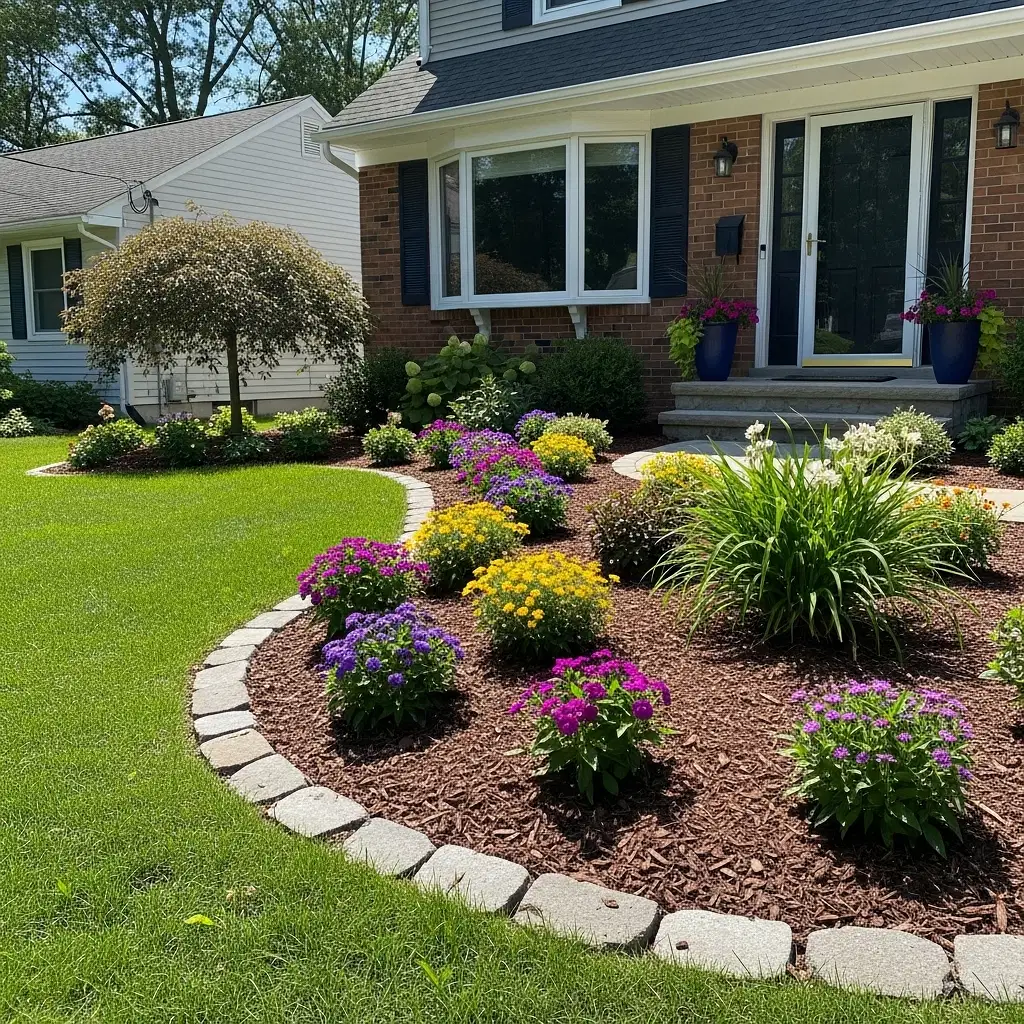
Creating a fire-resistant landscape doesn't mean your yard has to be barren. The key is choosing the right plants and placing them strategically. While no plant is truly “fireproof,” many species are less flammable and can help slow a fire's progress. As a rule, fire-resistant plants have supple leaves with high moisture content and tend not to accumulate dead, dry material.
Characteristics of Fire-Resistant Plants:
- High moisture content in leaves and stems.
- Low levels of flammable resins, oils, or waxes.
- Deciduous (they drop their leaves in winter).
- Open, branching habits that are less likely to hold dead material.
Excellent Choices for Colorado Landscapes: Many drought-tolerant and native plants are excellent for firewise design. They are already adapted to our climate and require less water, making them healthier and more resilient. Consider incorporating plants like:
- Perennials: Yarrow, Penstemon, Ice Plant, and various types of Sage.
- Shrubs: Buffaloberry, Sumac, and certain varieties of Currant.
- Deciduous Trees: Aspen and Maple (when properly maintained and spaced).
Plants to Use with Caution (or Avoid Near the Home): Highly flammable plants often contain volatile resins and oils and tend to retain dry, dead foliage. These should be avoided in the immediate 30-foot zone around your home.
- Conifers: Junipers, Pines, and Spruces are particularly flammable.
- Ornamental Grasses: While beautiful, many varieties dry out in the fall and can become highly combustible.
A thoughtful landscape design can incorporate these principles to create a yard that is both safe and beautiful, reflecting the natural Rocky Mountain aesthetic.
The Strategic Role of Hardscaping and Fencing
Beyond plant selection, non-living elements of your landscape play a crucial role in fire defense. Hardscaping features are your best friend when it comes to creating effective firebreaks—barriers that are free of flammable material.
Using Hardscaping as a Firebreak:
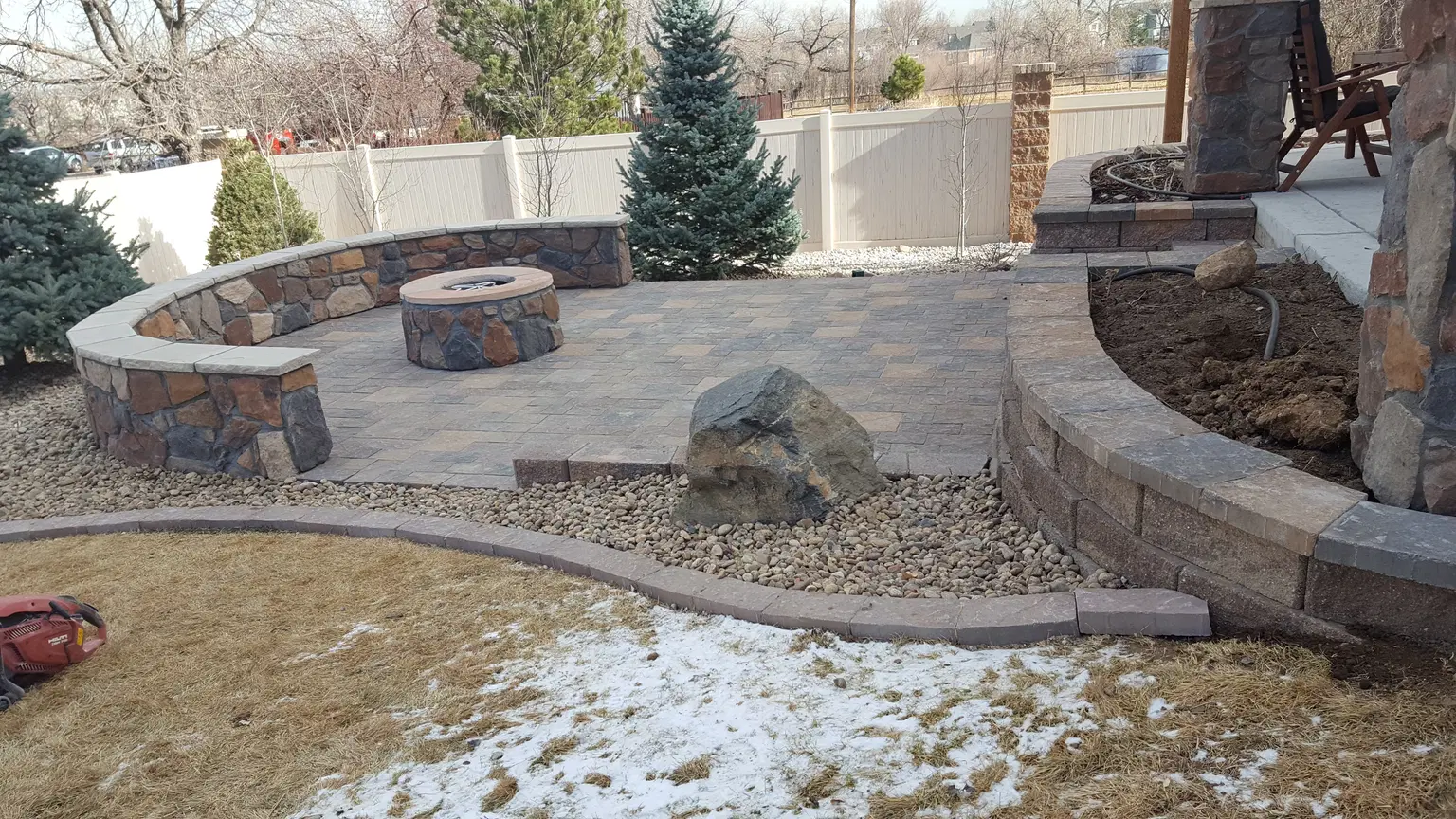
- Patios and Pathways: Stone, paver, or concrete patios and pathways are excellent for breaking up the continuity of fuel. A well-placed walkway can stop a low-burning ground fire in its tracks.
- Retaining Walls: Walls made of stone, block, or concrete can help terrace a sloped property, which can slow the uphill spread of a fire.
- Gravel and Rock Mulch: Using rock or gravel instead of wood mulch, especially in the zone closest to your home, eliminates a significant fire hazard.
Choosing Fire-Resistant Fencing: Your property's fence can either be a line of defense or a dangerous fuse leading fire directly to your home. The material and placement matter immensely.
- Non-Combustible Materials: The safest option is a fence made from materials like metal, stone, or masonry. These are non-combustible and create a strong barrier.
- Treated Wood and Composites: If you prefer the look of wood, consider fire-retardant-treated products. Composite fencing can also be a more fire-resistant option than traditional wood.
- Maintenance is Key: No matter the material, it's vital to keep the base of your fence line clear of weeds, tall grass, and debris. A professional fence design considers both aesthetics and safety, ensuring it contributes to your home's overall protection.
Protect Your Home with Thoughtful Landscape Design
Creating a fire-resistant landscape is a smart and responsible investment for any homeowner on the Front Range. By focusing on the core principles of defensible space, selecting appropriate plants, and strategically using hardscaping and fencing, you can significantly reduce your home's vulnerability to wildfire. You don't have to choose between a beautiful yard and a safe one—the two can and should go hand-in-hand.
If you're ready to enhance your property's safety and beauty, our team at PG Landscaping and Fence Company is here to help. We specialize in creating comprehensive landscaping and fencing solutions tailored to the unique needs of our Colorado environment. Contact us today for a consultation and let's design a resilient and beautiful outdoor space for your Denver-area home.